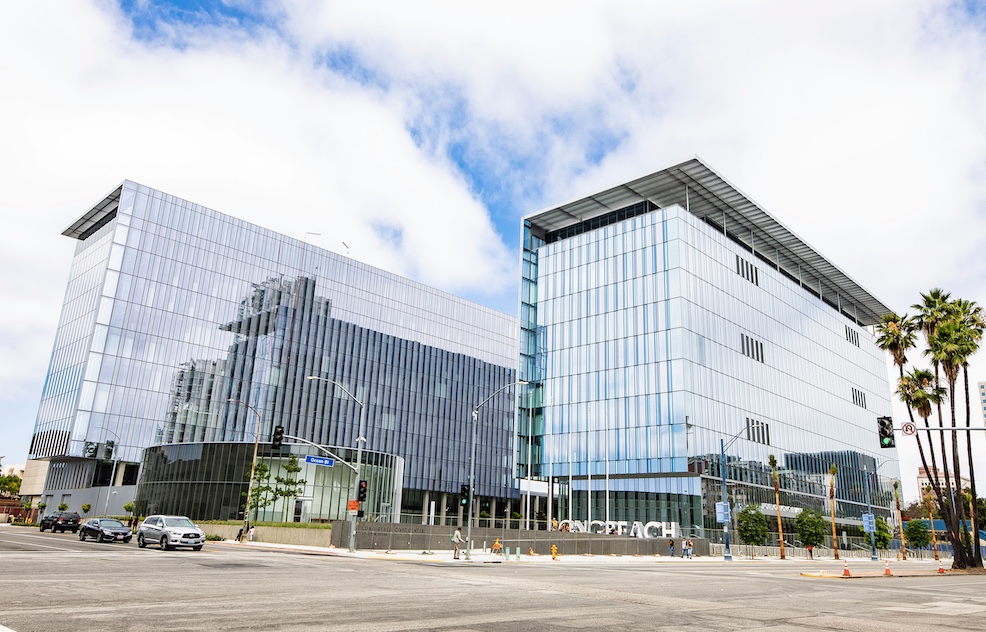
Long Beach has adopted a new Master Fees and Charges Schedule for fiscal year 2027, with increases affecting restaurants, mobile food operators, cannabis businesses, massage establishments, fitness centers, laundries, airport transportation providers, and other regulated businesses. Resolution RES-26-0131 took effect immediately when the City Council adopted it September 8.
The resolution adopts the full FY 2027 schedule, including a 3.64 percent City Cost Index adjustment for many existing charges and a separate set of new or specifically adjusted fees. The increases below come from Exhibit C, which excludes that routine annual index adjustment.
Not every fee in the 347-page schedule changed by the same amount. Businesses should identify the exact department, activity, facility size, risk category, and service before using a figure from the schedule.
Restaurant and mobile-food plan checks rose sharply
Restaurant plan-check fees increased across all three seating bands:
- 0 to 60 seats: from $1,931 to $3,322, a 72 percent increase.
- 61 to 200 seats: from $2,598 to $3,659, a 41 percent increase.
- 201 or more seats: from $3,019 to $3,996, a 32 percent increase.
The mobile food facility plan-check changes are larger. The fee rose from $288 to $829 for risk category 1, from $512 to $1,479 for risk categories 2 and 3, and from $1,339 to $3,322 for risk category 4. The adopted schedule labels those increases as 188 percent, 189 percent, and 148 percent, respectively.
Other food-related plan-check changes include a menu or equipment review increase from $76 to $160 for the first 1.5 hours, followed by $81 an hour, and an after-hours inspection increase from $208 to $788. The city also changed many annual food permits, reinspections, impound fees, and cottage-food charges. Those rates vary by operation and are listed separately in the schedule.
Cannabis and environmental-health charges changed
Most cannabis facility plan checks listed in Exhibit C rose by about 25 or 26 percent. Shared-use manufacturing plan checks increased more in some size bands, including the 1-to-1,999-square-foot facility fee, which rose from $1,174 to $2,066, or 76 percent.
The annual permit for a shared-use cannabis manufacturing tenant increased from $318 to $773, a 143 percent change. The cannabis reinspection charge increased from $352 to $435.
The Environmental Health Bureau technology surcharge rose from 2.3 percent to 4 percent of permit and plan-check fees. Because that is a percentage surcharge rather than a flat charge, its dollar effect depends on the underlying fee.
Several annual health permits nearly doubled
The annual health permit for a massage establishment increased from $272 to $516, a 90 percent change. The annual health or fitness center permit also moved from $272 to $516, while the tanning salon permit increased from $267 to $516.
For a laundry facility of 4,000 square feet or less, the annual permit increased from $272 to $516. The rate for a larger laundry increased from $480 to $600.
These are environmental-health permits. They are distinct from other business-license, land-use, building, or employee-related charges that may apply to the same operation.
Long Beach Airport trip fees increased
The airport charge for a transportation network company pickup increased from $4 to $5, and the separate drop-off fee also increased from $4 to $5. The taxicab per-trip charge increased from $3 to $4 for a pickup or drop-off.
Airport parking rates changed too. The hourly rate in parking structures A and B increased from $4 to $5. The standard daily maximum rose from $30 to $35 in Lot A and from $25 to $30 in Lot B.
The schedule also creates several new airport charges, including fees for unscheduled driving tests, non-tenant airside escorts, unscheduled landside escorts, and replacement keys. Applicability depends on the airport activity and permit relationship.
The resolution is effective, but the schedule is not a quote
Council minutes record an 8-1 vote to adopt the fee resolution as part of the FY 2027 budget actions. The resolution states that it takes effect immediately upon adoption and repeals earlier fee provisions only to the extent they conflict with the new schedule.
The city describes the master schedule as covering about 2,800 charges. It is not all-inclusive: some impact fees, utility charges, and department-specific amounts are approved through other processes. A listed fee also may be only one part of the total cost for a permit, inspection, plan review, or regulated operation.
The September 8 adoption date is recorded on Federal Weekly's compliance calendar, and the fee action is indexed in the Business Rule Change Tracker. Long Beach businesses can also use the city reference page to find related local rules.
The practical takeaway
A Long Beach business planning a restaurant buildout, mobile-food operation, cannabis facility, or other regulated activity should replace any saved FY 2026 fee sheet with the adopted FY 2027 schedule before budgeting or filing. Match the charge to the department, service, facility size, and risk category, then confirm the current total with that department before payment.
Existing permit holders should review renewal and reinspection charges before the next billing cycle. Airport transportation providers should update their per-trip cost assumptions for both pickups and drop-offs, and businesses subject to Environmental Health should account for the higher 4 percent technology surcharge in addition to the underlying permit or plan-check fee.